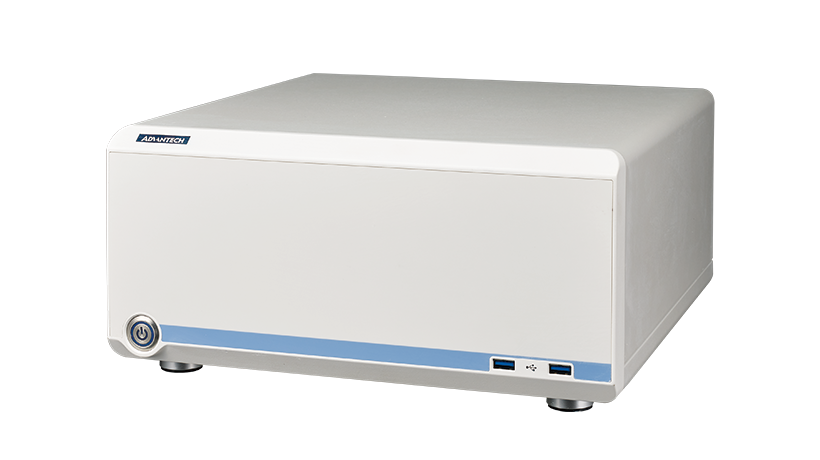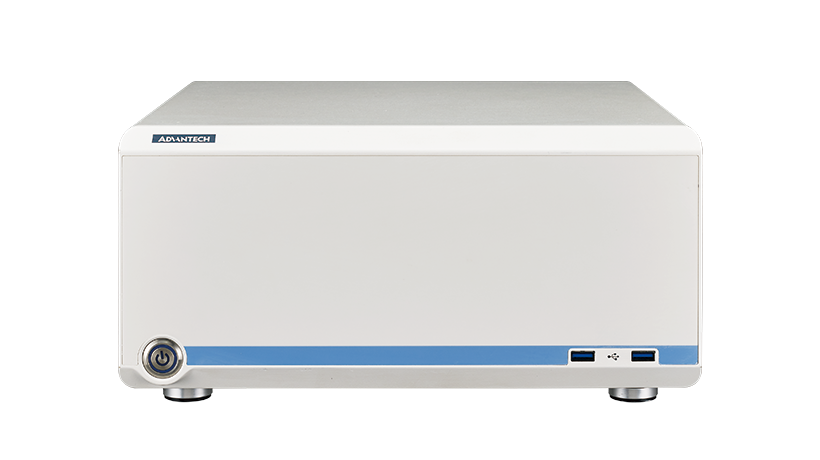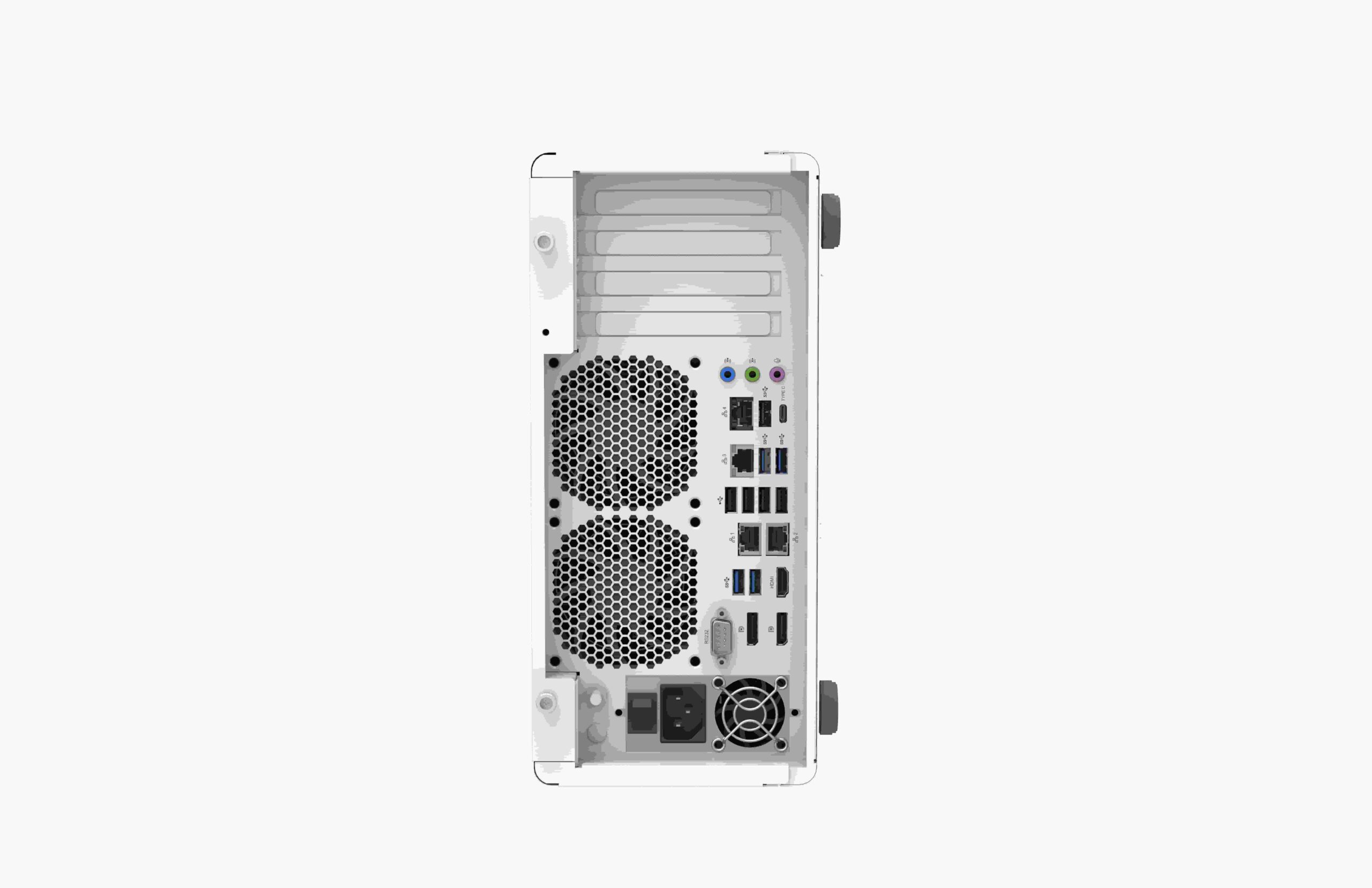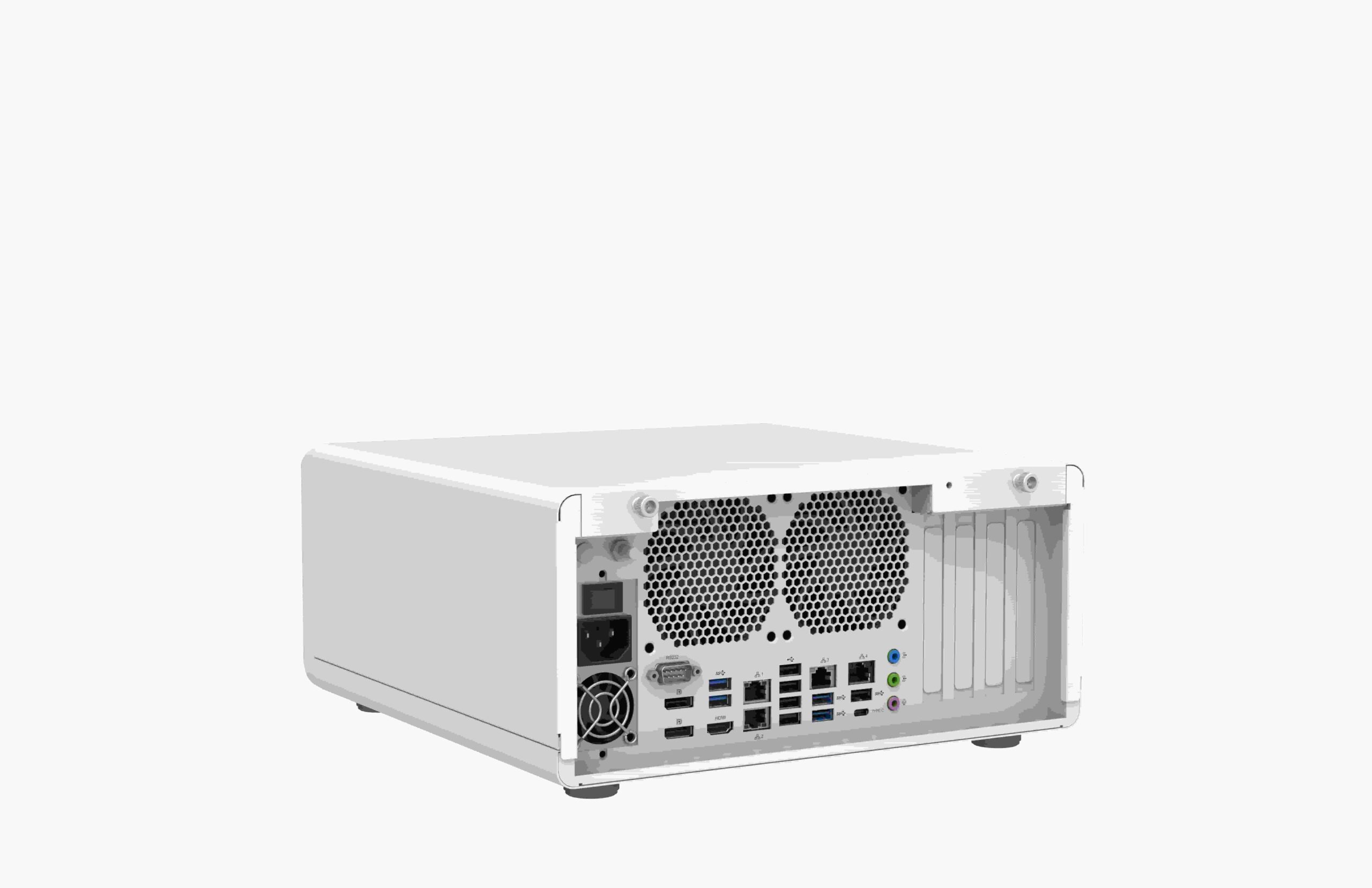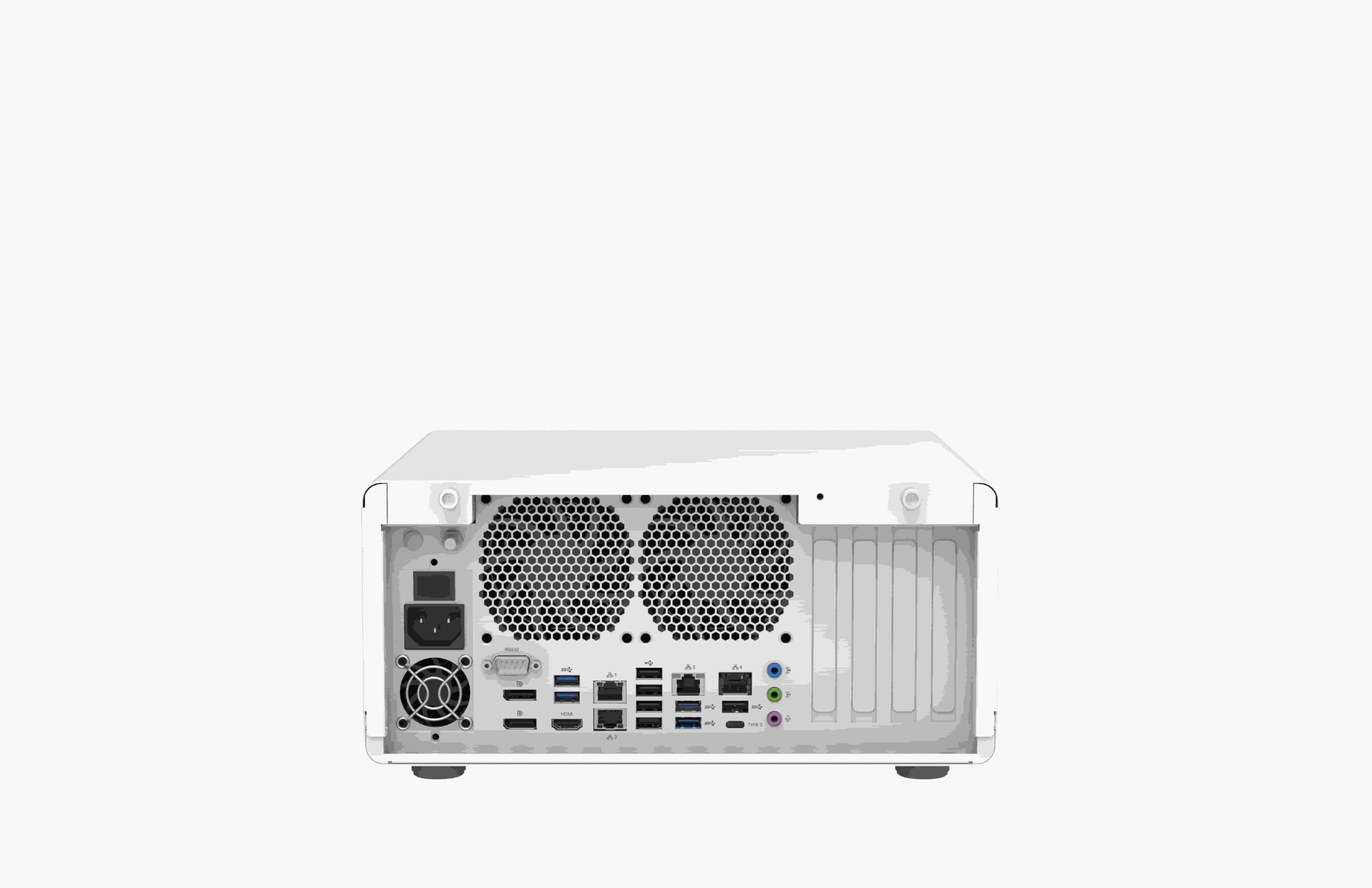
Powered by Intel 12th/13th Gen processors (i3/i5/i7, up to 65W TDP) for fast and reliable performance
Supports NVIDIA RTX 6000 GPU, ideal for medical imaging, AI applications, and heavy computation
Up to 128GB DDR5 4800MHz memory for advanced multitasking and large data handling
Multiple expansion options: PCIe Gen3 & Gen4 slots, M.2 (2280 NVMe & 2230 Wi-Fi)
Certified for Windows 10/11 LTSC, Linux, and Windows Server 2021
Advanced I/O connectivity: 12 USB ports, 5 COM ports, 4 RJ-45 LAN ports including 3 x 2.5GbE
Triple display support: HDMI 2.0a, DisplayPort, and internal eDP with 4K resolution
Flexible storage with dual 2.5″ SATA HDD/SSD slots (up to 2TB)
High-performance 900W internal power supply, suitable for powerful GPU and multi-device configurations
Fully compliant with medical-grade certifications: CE, FCC, CCC, IEC/EN 60601-1 (3.2), and 60601-1-2 (4.1)
Sleek, compact, and hospital-friendly Mini Tower design, easy to integrate in clinical environments
Optional support for WISE-DeviceOn, Software RAID (0/1/5/10), TPM 1.2/2.0 for enhanced data security
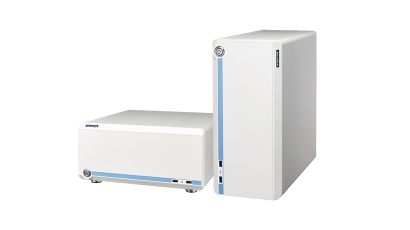
Advantech USM-500 NVIDIA RTX 6000: Professional Mini Tower Medical Computer with Powerful Expansion Capabilities
The USM-500 is a robust and compact professional medical computer designed for hospitals and healthcare environments, offering impressive performance, reliability, and versatile expansion options.
Equipped with Intel’s 12th and 13th Gen Core processors and support for NVIDIA RTX 6000, it delivers powerful processing capabilities tailored to meet the demanding needs of medical applications.
Key Features & Benefits:
Specifications Overview:
Ideal Use Cases:
Conclusion:
The Advantech USM-500 NVIDIA RTX 6000 is a powerhouse of a medical computer, offering a perfect balance of high performance, reliability, and expansion capabilities.
With its advanced Intel processors, flexible storage and I/O options, and compliance with international medical standards, it is an excellent choice for healthcare institutions looking to enhance their medical computing infrastructure.
Whether you are handling medical imaging, managing patient data, or integrating with hospital automation systems, the USM-500 is built to meet the demanding needs of modern healthcare environments.
Lorem ipsum dolor sit amet, consectetur adipiscing elit. Ut elit tellus, luctus nec ullamcorper mattis, pulvinar dapibus leo.
The NVIDIA Quantum-X800 platform is the next generation of NVIDIA Quantum InfiniBand, purpose-built for trillion-parameter-scale AI models and comprised of the NVIDIA Quantum-X800 InfiniBand switch, NVIDIA ConnectX®-8 SuperNIC, and LinkX cables and transceivers.
The new platform supports advanced hardware-based, In-Network Computing with Scalable Hierarchical Aggregate Reduction Protocol (SHARP)™ v4, adaptive routing, and telemetry-based congestion control, enabling a new frontier of AI innovation.
The NVIDIA Quantum-X800 InfiniBand switch provides 144 ports of 800Gb/s connectivity per port. It includes hardware-based In-Network Computing with SHARP v4, adaptive routing, telemetry-based congestion control, performance isolation capabilities, and a dedicated port supporting the Unified Fabric Manager (UFM). NVIDIA Quantum-X800 switches also add advanced power-efficiency features, including low-power link state and power profiling.
The NVIDIA Quantum-X800 switch provides increased performance and power efficiency to significantly reduce scientific computing, AI workload completion time, and energy costs.
Quantum-X silicon photonics switches further reduce total power consumption and latency by minimizing the distance and number of connections between optics and electronics.
The NVIDIA ConnectX-8 SuperNIC delivers 800Gb/s connectivity with ultra-low latency and supports the latest in advanced In-Network Computing. Based on the ConnectX architecture, it continues to provide accelerated MPI hardware engines, quality of service, adaptive routing, congestion control, and more.
The NVIDIA Quantum-X800 platform connectivity options with the NVIDIA LinkX® interconnect portfolio provide the maximum flexibility for building a preferred network topology, using connectorized transceivers with passive fiber cables and linear active copper cables (LACCs).
Your email address will not be published. Required fields are marked *